

About Us
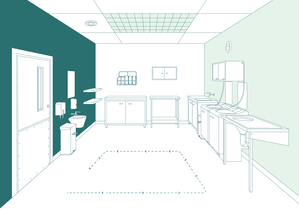
Sluice Room Infection Risks: Identifying Key Touchpoints
A sluice room plays an important role in infection prevention and control within healthcare environments. Used for the safe handling, disposal and processing of contaminated items, the sluice room can contain a number of surfaces that are regularly touched throughout the working day.
Good infection prevention practices are essential in helping reduce the risk of healthcare-associated infections (HCAIs). While attention is often focused on visibly contaminated areas, frequently touched surfaces such as door handles, sink taps, cupboard handles and storage areas can also provide opportunities for microorganisms to transfer between hands, surfaces and equipment.
Understanding these sluice room touchpoints can help healthcare facilities identify where regular cleaning, appropriate hygiene measures and considered room design can support a safer working environment.
What are sluice room touchpoints?
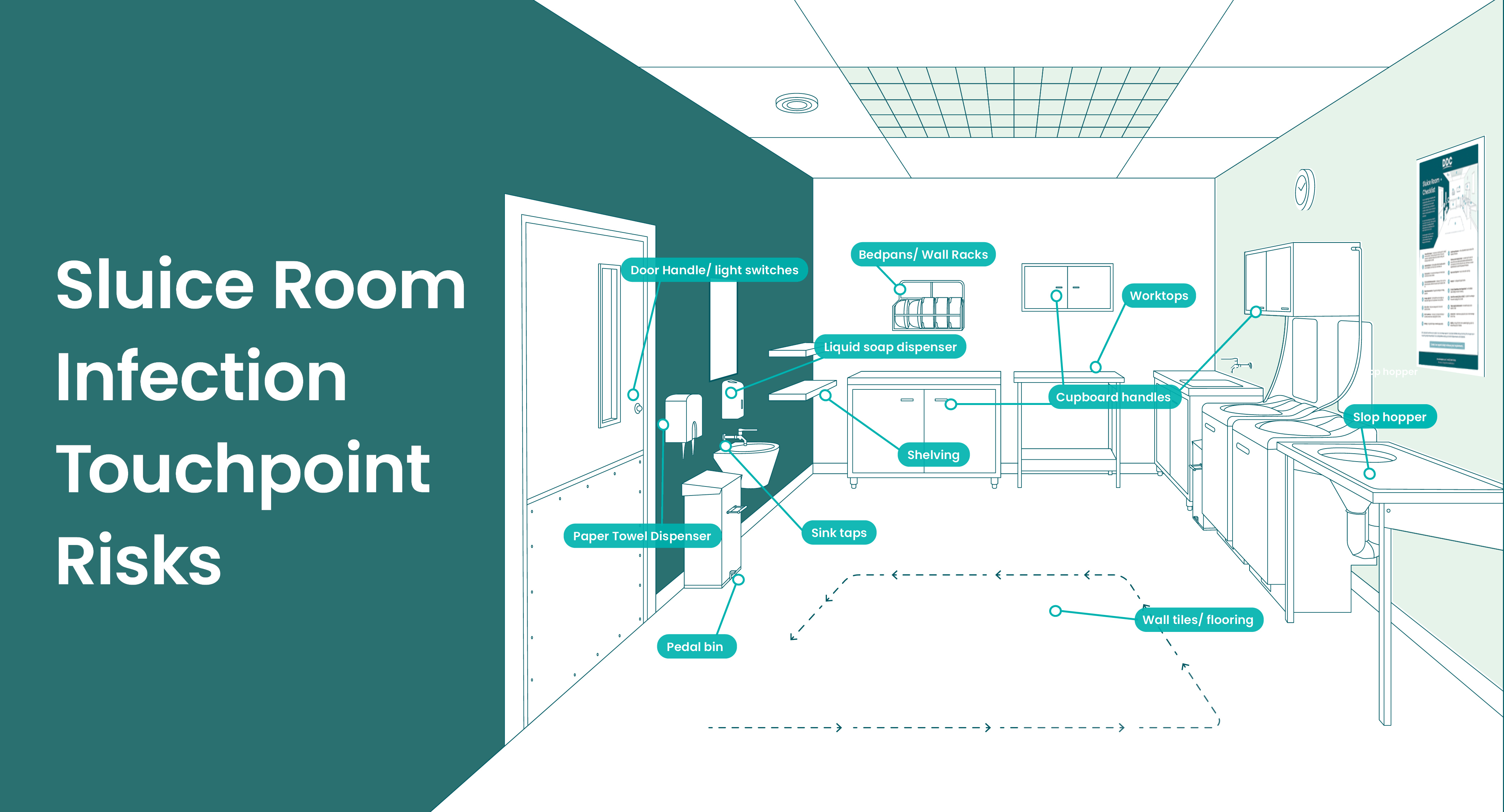
A touchpoint is any surface that is regularly handled during normal activity. In a healthcare sluice room, these can include everything from door handles and light switches to worktops, taps and waste bins.
The frequency of contact means these areas should form part of routine cleaning and disinfection procedures, particularly where they are touched before or after handling contaminated equipment.
Key touchpoints in the sluice room
Door handles and light switches
Door handles and light switches are among the most frequently touched surfaces in a sluice room. Staff may enter and leave throughout the day, including after handling contaminated items, creating opportunities for cross-contamination.
Automatic doors and sensor-activated lighting can help reduce unnecessary hand contact.
Sink taps
Sink taps are frequently touched before and after handwashing, creating opportunities for cross-contamination.
Sensor-operated or touch-free taps can help reduce unnecessary hand contact, alongside regular cleaning and disinfection.
Liquid soap dispensers
Soap dispensers are regularly handled during handwashing and can become a frequently touched surface, particularly when operated manually before and after contact with contaminated items.
Touch-free, sensor-operated dispensers can help reduce unnecessary contact, alongside regular cleaning and maintenance.
Paper towel dispensers
Paper towel dispensers can become frequently touched surfaces, particularly where staff need to manually pull or tear off a towel.
Touch-free, sensor-operated dispensers can help reduce hand contact, alongside regular cleaning and maintenance.
Bedpan and wall racks
Wall-mounted racks provide a convenient place to store clean bedpans, but frequent handling can create opportunities for cross-contamination. If staff touch the rack or bedpan after handling contaminated items, microorganisms can potentially be transferred.
Changing gloves between handling contaminated and clean items, alongside dedicated, easy-to-clean storage and regular disinfection, can help reduce this risk.
Worktops and shelving
Worktops and shelving can be used to store equipment, supplies and other items, resulting in regular contact throughout the working day.
Keeping these areas clear, organised and easy to clean can support effective cleaning routines and help reduce areas where contamination could accumulate.
Cupboard handles
Cupboard handles are frequently touched when accessing cleaning products, PPE and other supplies, but can easily be overlooked during routine cleaning.
Choosing easy-to-clean stainless steel cupboards and including handles within regular cleaning and disinfection routines can help reduce the risk of cross-contamination.
Slop hopper
The slop hopper is used to dispose of items containing human body waste.
Hands-free operation, where available, and easy-to-clean stainless steel surfaces can help reduce contact and support effective cleaning. The surrounding area should also be kept clean to manage potential splashes and spills.
Pedal bins
Pedal bins reduce the need to touch the bin directly, but the foot pedal can still become contaminated during use.
Sensor-operated bins can help minimise contact, while regular cleaning of the bin and surrounding floor can help manage potential spillages.
Wall tiles and flooring
Floors and lower wall surfaces may not be considered traditional touchpoints, but they can be exposed to spills, splashes and contamination during normal sluice room activities.
Durable, easy-to-clean finishes can help support effective environmental cleaning and maintain a hygienic working environment.
Why aren't macerators and bedpan washers included?
You may notice that macerators and bedpan washers aren't included as touchpoints in our graphic.
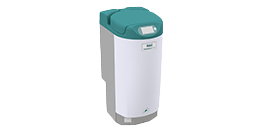
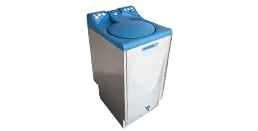
This is because DDC Dolphin's macerators and bedpan washers are designed for contactless operation. Staff can place the appropriate item into the machine and operate the equipment without needing to manually handle the machine during the disposal or decontamination process.
This helps minimise unnecessary hand contact within the sluice room, supporting wider infection prevention and control measures aimed at reducing the risk of HCAIs.
The machines still require appropriate cleaning, maintenance and servicing, but their contactless operation means they differ from many of the frequently touched surfaces highlighted in this graphic.
How can sluice room touchpoints contribute to infection risks?
Healthcare-associated infections (HCAIs) can spread through contact with contaminated hands, surfaces and equipment. Regular cleaning and reducing unnecessary contact with frequently touched surfaces can support infection prevention.
In a sluice room, consider the complete workflow:
Enter → handle equipment → dispose of waste → wash hands → exit
Identifying frequently touched surfaces at each stage can help reduce opportunities for cross-contamination.
Designing a safer, more hygienic sluice room
When designing or refurbishing a healthcare sluice room, consider infection prevention alongside workflow, cleaning and equipment positioning.
Easy-to-clean surfaces, sensible storage and reduced touchpoints can all support a more hygienic environment. Contactless macerators and bedpan washers can also help minimise unnecessary hand contact during disposal and decontamination.
Reviewing the complete workflow can help identify practical opportunities to improve sluice room infection prevention.
