

About Us
Electric Mobile Hoist: A Practical Solution for Safe, Everyday Transfers
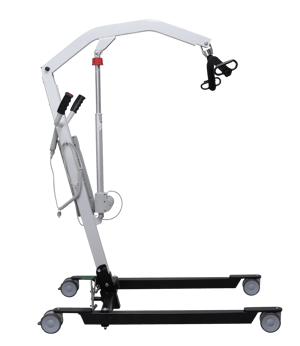
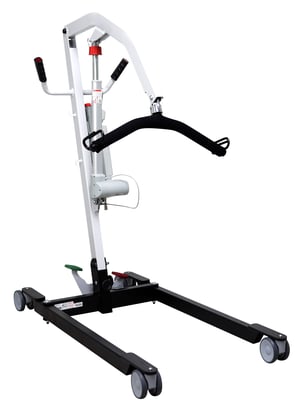
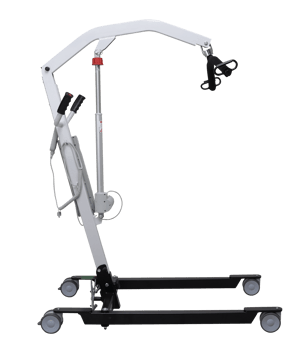
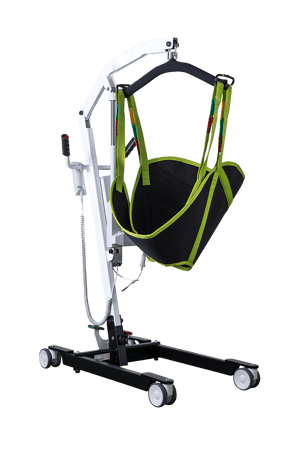
Electric mobile hoists are designed to support safe, consistent patient transfers across care environments. EN ISO 10535 certified, the models we supply meet international safety standards, giving carers and users added peace of mind. Their compact design allows them to be easily folded away for under-bed storage, while smooth electric lifting ensures comfortable transfers between the bed, chair, or bathroom. Available in 150kg, 180kg, and 220kg versions, the mobile hoists we offer are simple to manoeuvre, easy to operate, and deliver dignified, dependable performance day in and day out.
Benefits
Safe, secure transfers – enables secure movement of users between bed, day chair, wheelchair and hygiene facilities.
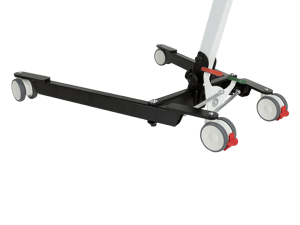
Compact and easy to manoeuvre – slim design and 100 mm double wheels (two with brakes) make it simple to operate in constrained spaces.
Reliable battery autonomy – Approximately 40 lift cycles before recharge.
Adjustable base legs – manual lever‑operated legs provide flexible positioning for easier access and secure support during transfers.
Supports varied user needs – suitable for service users with paraplegia, tetraplegia or amputation when used with the appropriate sling.
Compact footprint – narrow base and lightweight design help carers to move and position the lift with ease.
Frequently Asked Questions
Deliver dignified, stress-free transfers with the mobile hoists we supply, offering ergonomic design, smooth powered lifting, and full LOLER compliance for both home and clinical care settings.
What are the key features and benefits of the mobile hoists supplied by DDC?
The mobile hoists we offer combine portability with reliable lifting performance. Their compact design, smooth electric actuator, and ergonomic handles make them ideal for daily patient transfers at home or in care facilities.
How do the mobile hoists ensure safe, comfortable transfers for users?
With secure sling attachment points, controlled electric lifting, and smooth manoeuvrability, the hoists reduce the risk of falls and ensure transfers are comfortable, dignified, and stress-free for users.
In which care environments are these mobile hoists most suitable?
The hoists we supply work perfectly in homes, rehabilitation centres, and clinical spaces without permanent ceiling infrastructure, offering flexible and safe mobility support wherever it's needed.
How easy is it for caregivers to manoeuvre and control the hoist?
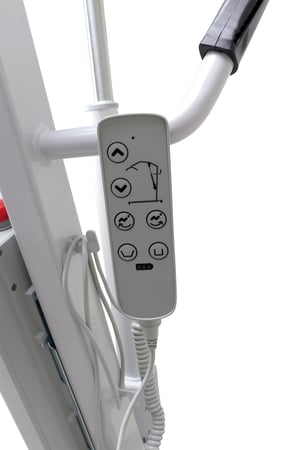
The lightweight, wheeled design, along with ergonomic grips and responsive hand controls, allows caregivers to move and position the hoist effortlessly, minimising strain and improving safety during transfers.
What slings and accessories are recommended for the mobile hoists?
Stand assist, full-body, and repositioning slings are perfectly compatible. Additional accessories like spreader bars, knee pads, and sling pads provide enhanced comfort, support, and safe lifting tailored to each user's needs.
How does the mobile hoist reduce physical strain for caregivers?
The powered lifting mechanism eliminates heavy manual lifting, allowing caregivers to perform transfers with minimal effort. This reduces the risk of injury while improving efficiency and care quality.
Are the mobile hoists LOLER compliant?
Yes. The mobile hoists we supply meet LOLER (Lifting Operations and Lifting Equipment Regulations 1998) requirements, ensuring they are safe for lifting operations and legally compliant in both home and clinical settings.
How frequently should the mobile hoist undergo LOLER inspections?
To comply with LOLER, the equipment should be inspected at least every 6 months by a competent person, with routine checks carried out before each use to ensure safe and reliable performance. DDC Dolphin also offers comprehensive servicing and maintenance plans to help you manage this effortlessly.
What pre-use safety checks are essential for the mobile hoist?
Before every transfer, caregivers should verify brakes and castors are working, slings are securely attached, controls operate correctly, and the actuator functions smoothly, protecting both user and caregiver.
Can multiple caregivers use the mobile hoist safely, and what best practices ensure optimal operation?
Yes. Clear controls, stable design, and proper training allow multiple caregivers to operate the equipment safely. Following the manufacturer's guidelines, performing routine checks, and using the correct slings ensures reliable and efficient transfers every time.
Speak To One Of Our Experts
Connect with our specialists to discuss your needs and find tailored solutions. Whether you're seeking advice or exploring the equipment we offer, our experts are here to assist!