

About Us

Between 5% and 10% of patients admitted to modern hospitals in the developed world acquire one or more infections [1].
In developing countries, however, the risk of contracting a healthcare acquired infection (HCAI) is from two to 20 times higher – and the proportion of patients affected can exceed 25%.
Although the developed world is often able to keep patients safer than their developing counterparts, there is still room for improvement. In England alone, more than 100,000 cases of healthcare associated infections lead to over 5,000 deaths directly attributed to infection each year.
Medical technology is constantly evolving.
A significant reason why the developed world is able to better combat the threat of infection is, of course, due to their relative wealth and the ability to invest in emergent technology. As infection control innovation accelerates, the rate of infection can decrease with its use.
In order to keep challenging HCAI risk, we must recognise that outdated equipment will not provide the level of protection that a more modern solution can. Although extra expenditure is rarely welcomed, investing in capital equipment is likely to result in a reduced cost of controlling infection outbreaks – as well as keeping reputations intact and preventing unnecessary stress, sickness and even death.
Take a look at our video below for the top 5 sluice room innovations.
Bedpan hygiene has advanced significantly over time.
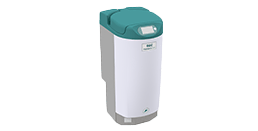
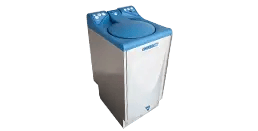
When it comes to disposing of human waste, both bedpan washer disinfectors and pulp macerators utilise advanced technology to ensure that hospitals, care homes and other facilities can benefit from the most effective infection control.
These features include:
- Hands-free optical sensors which prevent the need to touch a machine in order to open or close it, or to press any buttons to start its cycle
- Antimicrobial surfaces to prevent harmful bacteria from growing on the machine
- Control panels to verify that the correct temperature for disinfection is reached
- Improved design of macerator blades to effectively pulverise waste and prevent blockages.
However, technology continues to evolve.
DDC incorporates Biomaster® Antimicrobial Technology
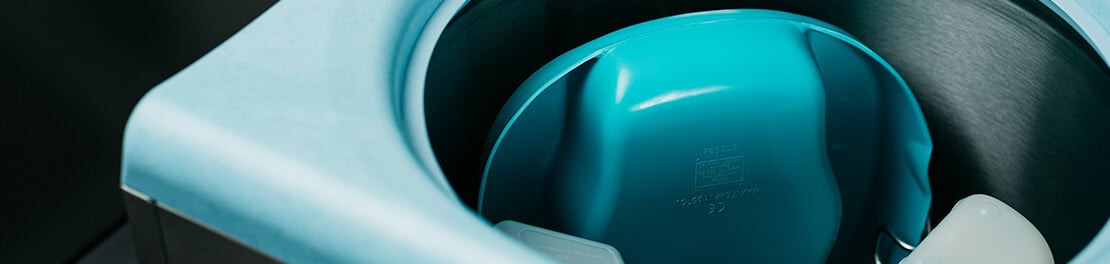
DDC incorporates Biomaster® antimicrobial technology into selected pulp macerators and washer disinfectors, providing built-in, long-lasting product protection from the moment the component is manufactured.
In the high-risk environment of the sluice room, where the management of human waste and contaminated items is constant, surface hygiene is the first line of defence against Healthcare-Associated Infections (HCAIs). Biomaster antimicrobial technology is integrated into the manufacturing process and provides product protection that traditional cleaning alone cannot achieve.
How does Biomaster work?
Biomaster is a silver-ion based antimicrobial technology that is permanently incorporated into the material during manufacture.
When a microbe comes into contact with a Biomaster protected surface:
1. Biomaster binds to the cell wall, disrupting growth.
2. The Biomaster ions interfere with enzyme production, stopping the cell from producing energy.
3. Biomaster interrupts the cell's DNA, preventing replication.
This continuous action works around the clock to inhibit the growth of harmful pathogens such as MRSA and E. coli.
The Benefits of Biomaster® Antimicrobial Technology
A Log 4 rating signifies a 99.99% reduction in microbial load. When applied to sluice room equipment touchpoints, such as contact surfaces, controls etc. the benefits include:
Continuous Microbial Reduction: Unlike liquid disinfectants which evaporate shortly after application, Biomaster is integrated into the material itself. It works around the clock to inhibit the growth of harmful pathogens such as MRSA & E. coli.
Support for Manual Cleaning: Sluice rooms are busy environments, and manual cleaning can be inconsistent. Biomaster fills the hygiene gaps between scheduled cleans, ensuring that if a surface is contaminated, the microbial load is continually being reduced.
Durability and Longevity: Because the silver-ion technology is inorganic and non-leaching, it does not wear off or wash away. It provides product protection for the entire functional lifespan of the product or surface.
Odour Reduction: By inhibiting the growth of pathogens that cause foul smells, a common challenge in waste management areas, Biomaster helps maintain a more professional and tolerable environment for healthcare staff.
