

About Us
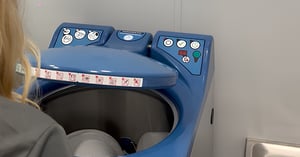
Aligning Machine Capacity with Ward Footfall
The most common point of failure in hospital procurement is specifying the wrong machine for the clinical environment. Placing a low-capacity bedpan washer in a high-dependency, acute ward guarantees mechanical failure and massive maintenance bills.
Your dirty utility room workflow must be seamless. When clinicians bring contaminated pulp or reusable utensils from the ward, the equipment must process that waste immediately. This requires advanced infection control technology, including hands-free operation, antimicrobial coatings, and automatic scale management systems to prevent pipe blockages.

Strategic Options for Your Capital Equipment Tender
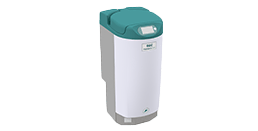
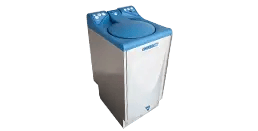
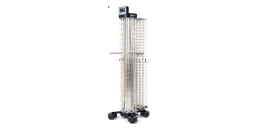
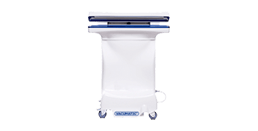
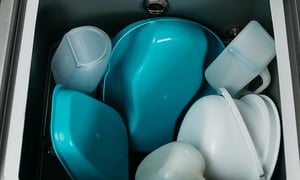
To protect your long-term ROI, you must align your procurement specifications directly with the exact footfall of your specific wards. DDC Dolphin engineers a comprehensive matrix of seven thermal disinfection machines to solve this exact problem.
We have categorised your infrastructure options based on strict clinical capacity requirements.
Option 1: The Low-Footfall Strategy (Panamatic Mini and Midi) designed specifically for lower usage healthcare environments,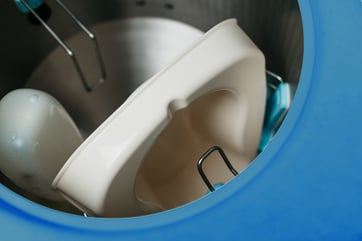 isolating small-scale clinical waste without draining capital.
- Pros: highly compact footprint. The Mini cleans 1 bedpan and 1 urine bottle in a rapid 6-minute cycle, while the Midi offers a slight capacity upgrade. Both run on standard electrical supplies for immediate installation.
- Cons: will create immediate clinical bottlenecks if deployed in high-capacity acute hospital wards.
Option 2: The Medium-Dependency Strategy (Panamatic Optima 2 and Optima 3) The operational bridge for medium-footfall care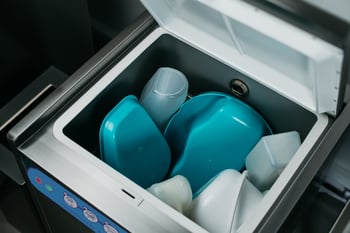 homes and general hospital wards.
Cons: will require more frequent maintenance cycles if consistently pushed beyond recommended daily limits.
Option 3: The Acute Ward Strategy (Panamatic Maxi, XL2 and XLC) Engineered to meet the intense, relentless demands of busy hospital wards and high-dependency care settings.
- Pros: the largest capacity in the industry. The Maxi processes up to 6 items in a 7-minute cycle, while the XL models provide ultimate high-volume throughput. They feature advanced rotating wash nozzles, antimicrobial surfaces, and hands-free infrared technology to completely eliminate touchpoints.
- Cons: requires a larger spatial footprint within the dirty utility room and a higher initial capital expenditure.
