


About Us

Whole Life Cost vs Purchase Price: Why It Matters in NHS Procurement
Whole Life Cost vs Purchase Price: Making Better
Procurement Decisions
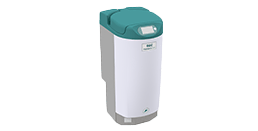
A medical pulp macerator is a critical piece of clinical infection control equipment. It operates within a dirty utility room to safely pulverise single-use medical pulp items and human waste, discharging the sterile particulate directly into the standard drainage network to eliminate cross-contamination risks and safeguard clinical environments.
For many NHS procurement teams, the lowest purchase price can appear to offer the best value. However, when equipment is expected to operate reliably for years, focusing solely on the initial cost can lead to higher operational expenses, increased maintenance and missed opportunities to improve efficiency.
This is why Value-Based Procurement (VBP) encourages organisations to evaluate technology based on its whole life cost (WLC) rather than its purchase price alone.
In our previous article, How to Score Outstanding in Tender Evaluations, we explored how procurement teams are increasingly assessed on the value their decisions deliver. In Why Your Sluice Room is the Missing Piece in Your Sustainability Strategy, we looked at how sustainability contributes to procurement success. This article focuses on the financial case, helping finance leaders understand the hidden return on investment behind infection control equipment.
What is whole life cost?
Whole life cost is the total cost of owning, operating and maintaining equipment throughout its useful life. Rather than comparing two products based only on their purchase price, whole life cost considers every cost incurred from installation to disposal.
According to the national Value-Based Procurement guidance, assessing medical technology using whole life cost enables organisations to make more informed investment decisions by balancing financial, clinical, operational and environmental outcomes.
A whole life cost assessment typically considers:
- Capital purchase price
- Installation and commissioning
- Water and energy consumption
- Servicing and maintenance
- Repairs and replacement parts
- Equipment lifespan
- Operational downtime
- Consumables
- Staff productivity
- End-of-life disposal
Looking at these factors together provides a much clearer picture of the true cost of ownership.
Why purchase price only tells part of the story
Choosing the cheapest equipment can often result in higher costs over time.
For example, an older or less efficient sluice room system may require:
- More water per cycle
- Higher electricity consumption
- Increased servicing requirements
- More unexpected breakdowns
- Greater equipment downtime
- Earlier replacement
Individually these costs may appear relatively small, but over five to ten years they can significantly exceed any initial saving made at the point of purchase.
This is exactly why Value-Based Procurement moves the conversation away from "What does it cost today?" towards "What value will it deliver throughout its lifetime?"
Understanding the hidden ROI of infection control
Modern infection control equipment delivers value in ways that are not always reflected in a purchase price comparison.
When organisations invest in newer technology they may benefit from:
Reduced operating costs
Lower water and energy consumption reduce utility costs every day the equipment operates. These efficiencies can also contribute to carbon reduction and support wider NHS sustainability objectives.
Less equipment downtime
Reliable equipment means fewer interruptions to clinical workflows.
Unexpected downtime can increase labour requirements, delay patient care and place additional pressure on healthcare teams.
Modern systems with intelligent monitoring help identify developing issues before they become major failures, reducing disruption and extending equipment life.
Lower maintenance costs
Equipment designed for reliability requires fewer repairs throughout its lifecycle.
When servicing is planned proactively, organisations can reduce emergency call-outs, improve equipment availability and manage maintenance budgets more effectively.
Improved productivity
Shorter cycle times and efficient workflows enable clinical staff to spend less time managing infection control equipment and more time delivering patient care.
These productivity gains are difficult to capture when comparing purchase prices but form an important part of medical equipment ROI.
Building a stronger business case
One of the biggest challenges for finance directors and procurement teams is justifying a higher upfront investment.
The Value-Based Procurement guidance recommends evaluating technology using evidence gathered throughout its lifecycle rather than relying solely on acquisition cost.
Useful evidence may include:
- Water consumption data
- Energy usage
- Maintenance records
- Equipment uptime
- Service history
- Expected equipment lifespan
- Carbon reduction
- Total operating costs
This measurable evidence helps demonstrate how higher capital investment can generate long-term savings while supporting wider organisational objectives.
Before preparing a business case, it is also worth reviewing your existing equipment against the Value-Based Procurement criteria. Our Sluice room Readiness Guide explains how the Annex B checklist can help identify opportunities to improve both operational performance and procurement outcomes.
Looking beyond cost towards value
The most successful procurement decisions are no longer based solely on choosing the lowest price.
Instead, organisations are increasingly asking:
- Which solution will reduce operational costs?
- Which technology will consume fewer resources?
- Which equipment will last longer?
- Which option delivers the greatest value throughout its lifecycle?
By applying a whole life cost approach, procurement teams can make more informed investment decisions that support financial efficiency, sustainability and improved patient care.
As highlighted throughout our Value-Based Procurement series, understanding the full cost of ownership helps organisations move beyond short-term savings and focus on long-term value.
Calculate your potential savings
Want to understand the true return on investment of your sluice room?
Our Switch & Save Calculator helps you compare water, energy and operational savings, giving you the evidence needed to build a stronger business case based on whole life cost rather than purchase price.
Start calculating your potential savings with the Switch & Save Calculator.