


About Us
Evaluating Macerators: Whole-Life Cost and Compliance
What is a medical pulp macerator?
A medical pulp macerator is a critical piece of clinical infection control equipment. It operates within a dirty utility room to safely pulverise single-use medical pulp items and human waste, discharging the sterile particulate directly into the standard drainage network to eliminate cross-contamination risks and safeguard clinical environments.
The procurement landscape for capital medical equipment has shifted aggressively. If your purchasing strategy is still heavily weighted toward the initial capital expenditure of a machine, you are actively draining your operational budget. For Estates Managers, Facilities Leads, and Procurement Directors, a medical pulp macerator is not just a utility purchase; it is a central pillar of your hospital or care home infection control infrastructure.
When a macerator fails, the clinical pathway bottlenecks. Staff are forced to transport hazardous waste across wards, risk profiles skyrocket, and your compliance matrix falls apart. Here is the brutally honest truth: specifying cheap equipment guarantees expensive ward shutdowns. We must care deeply about the strategic numbers and conversion metrics that prove ROI. To achieve your operational targets, you must pivot to a strategy focused entirely on whole-life cost, environmental compliance, and validated clinical safety. Here is how you engineer that success for DDC.
The Architecture of a Compliant Sluice Room
Before specifying machinery, you must meticulously define the clinical environment. Misunderstanding the clinical workflow is the first critical error made in capital project planning.
Your infection control infrastructure requires strict physical boundaries. You must establish a definitive workflow regarding what is the difference between a clean and dirty utility room. The dirty utility space, universally known as the sluice room, is the engine room of your waste management strategy. If you are auditing a new build or a site retrofit, you must ensure your baseline design is flawless to prevent catastrophic audit failures. You can reference our complete sluice room guide to validate your structural requirements and ensure your estates team is operating from the most up-to-date frameworks.
Furthermore, hardware is only as effective as the human operating it. Do your clinical leads truly understand the operational protocols required to maintain this high-risk space? You can test your ward staff readiness right now by challenging them with this interactive resource: Quiz: Do you know your infection control procedure?.
Evaluating Your Hardware: Macerators vs. Washer Disinfectors
Your clinical environment dictates your technology, and data must drive your final decision. While modern standards heavily favour single-use pulp disposal for maximum infection control, you must rigorously evaluate if your specific wards require reusable utensil processing.
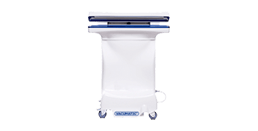
If your facility still utilises reusable plastic or steel bedpans, you must integrate bedpan washer disinfectors into your strategic planning. For mid-sized wards requiring robust thermal disinfection, specifying machines like the highly efficient New Panamatic Midi provides the necessary thermal pathogen eradication.
However, the gold standard for eliminating cross-contamination risk leans completely toward single-use pulp items. For this, you require precision-engineered macerators.
The Strategic Macerator Portfolio
To hit your sustainability targets and maximise your whole-life ROI, you must align the machine capacity directly with your ward footfall. Over-specifying wastes critical energy and water resources; under-specifying causes rapid mechanical failure and expensive call-out charges.
|
Macerator Model |
Ideal Target Clinical Ward |
Strategic Procurement Value |
Link to Specification Data |
|
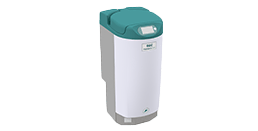
Pulpmatic Ultima |
High-dependency, acute hospital wards. |
Processes up to 6 pulp items per cycle. Built for relentless, high-volume clinical demand and maximum efficiency. |
|
|
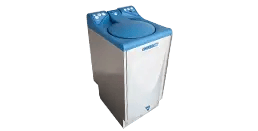
Pulpmatic Flex |
Care homes and low-footfall clinical areas. |
Compact footprint processing up to 6 items per cycle. Highly energy and water efficient to support Net Zero goals. |
|
|
Incomatic |
Specialised care homes and geriatric wards. |
Specifically engineered to safely macerate incontinence pads and nappies, drastically reducing clinical waste collection costs. |
Strategic Options for Upgrading Your Fleet
When an Estates Director or Head of Procurement is tasked with modernising their overarching infection control solutions, they face a distinct strategic crossroads. Before you draft your next tender, you must choose exactly how you will deploy your new assets across the estate. You must conduct a site-wide audit to determine exactly what is a sluice room standard currently operating within your facilities.
Option 1: The Phased High-Risk Retrofit
You replace only the machines that show an unacceptable failure rate, targeting the highest-risk red zones first.
- Pros: Requires a significantly lower immediate capital layout. Allows your capital projects team to focus exclusively on critical bottlenecks without disrupting the entire hospital.
- Cons: You maintain an aging fleet of legacy machines in other wards. These older units will continue to consume excessive water and electricity, actively harming your Net Zero targets and increasing your long-term whole-life costs.
Option 2: The Site-Wide Standardisation Rollout
You replace all outdated machinery across the entire hospital or care group with a unified fleet of modern, energy-efficient DDC macerators.
- Pros: Delivers an immediate, massive reduction in whole-life running costs. Standardises the training for all clinical staff, drastically reducing user error, and provides the exact robust data required to win your Value-Based Procurement evaluations.
- Cons: Requires a robust capital budget approval upfront and intense logistical coordination with clinical operations managers to avoid disrupting patient care pathways during the installation phase.