


About Us

From Price to Value: A Guide to Whole Life Cost in Hospital Procurement
For many years, hospital equipment procurement has focused on reducing upfront capital expenditure. While achieving the lowest purchase price may appear to deliver immediate savings, it doesn't always represent the best long-term investment.
The latest NHS procurement guidance encourages healthcare organisations to look beyond the initial cost of equipment and consider its whole life cost. Sometimes referred to as Total Cost of Ownership (TCO), this approach evaluates the ongoing financial, operational and environmental impact of equipment throughout its lifecycle.
For Directors of Estates, Senior Estates Managers and Finance Directors, understanding whole life cost is becoming increasingly important when planning future investments.
What is Whole Life Cost?
Whole life cost considers every cost associated with owning and operating equipment, not just the initial purchase price.
For hospital sluice room equipment, this includes:
- Initial capital investment
- Water and energy consumption
- Planned servicing and maintenance
- Emergency repairs and replacement parts
- Equipment downtime
- Operational efficiency
- Product lifespan and replacement costs
Looking at the full picture helps healthcare organisations make more informed procurement decisions and avoid unexpected costs over the lifetime of the equipment.
The Hidden Cost of Choosing the Lowest Purchase Price
Reducing capital expenditure can help meet short-term budget objectives, but focusing solely on the purchase price can result in significantly higher operational costs over time.
Equipment that requires frequent repairs, consumes more water and energy or reaches the end of its service life sooner can place greater pressure on maintenance budgets and disrupt day-to-day hospital operations.
Common long-term costs include:
- Increased utility consumption
- More frequent engineering call-outs
- Unexpected repair costs
- Greater equipment downtime
- Earlier replacement of ageing assets
- Increased pressure on maintenance resources
When these costs are considered together, the lowest purchase price rarely delivers the lowest whole life cost.
Why Whole Life Cost Supports Better Procurement
The latest NHS procurement guidance places greater emphasis on long-term value rather than upfront cost alone.
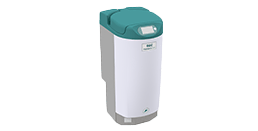
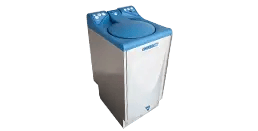
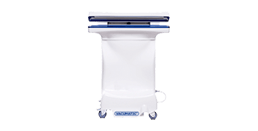
When evaluating hospital medical pulp macerators and bedpan washer disinfectors, healthcare organisations should consider:
- Reliability in demanding clinical environments
- Water and energy efficiency
- Ease of servicing and maintenance
- Availability of spare parts
- Manufacturer support
- Expected equipment lifespan
These factors help build a clearer understanding of the equipment's long-term value and can support stronger investment decisions.
Supporting Better Financial Planning
Considering whole life cost benefits more than the procurement process. It helps Estates, Facilities and Finance teams improve long-term financial planning by reducing operational risk and creating greater certainty around future maintenance and running costs.
Reliable, well-maintained equipment can help healthcare organisations:
- Reduce unplanned maintenance expenditure
- Improve budget predictability
- Extend equipment lifespan
- Minimise operational disruption
- Maximise the return on capital investment
This approach supports more sustainable asset management while helping to avoid the hidden costs often associated with lower-priced equipment.
Aligning with Value-Based Procurement
The NHS's Value-Based Procurement framework encourages healthcare organisations to consider the wider value equipment delivers throughout its lifecycle.
By assessing whole life cost alongside reliability, operational performance, sustainability and maintenance requirements, procurement decisions become focused on long-term outcomes rather than short-term savings.
For hospital sluice rooms, this means selecting solutions that not only meet today's clinical requirements but continue to deliver value for years to come.
Looking Beyond the Purchase Price
Choosing the right sluice room equipment is about more than reducing capital expenditure. It's about understanding the ongoing costs of ownership and selecting solutions that provide reliable performance, lower running costs and long-term operational value.
Whether you're reviewing medical pulp macerators or bedpan washer disinfectors, considering whole life cost can help support stronger business cases, improve budget certainty and align with the latest NHS procurement guidance.
Get Your Sluice Room Savings Report
If you're planning to upgrade your hospital sluice room, understanding your current water, energy and maintenance costs is the first step towards identifying opportunities for improvement.
Download our free Sluice Room Savings Report to discover how modern sluice room solutions can help reduce operating costs, improve efficiency and support a whole life cost approach to procurement.
