


About Us
Is Your Ward Outgrowing Its Medical Pulp Macerator?
A medical pulp macerator is a routine piece of hospital infrastructure, until it becomes a critical operational bottleneck.
Patient numbers increase. Wards change use. Single-use pulp consumption spikes. Suddenly, your clinical staff are queuing in the dirty utility room, waiting for slow maceration cycles to finish while contaminated waste stacks up.
For Estates and Procurement Directors, this is a glaring red flag. If your infrastructure no longer matches your clinical demand, you are bleeding operational budget into reactive maintenance and risking severe cross-contamination.
The question is not: “Does the ward have a macerator?”
The question is: “Does the macerator have the capacity to handle peak ward footfall?”
Here are the five brutal warning signs that your sluice room capacity requires an immediate review.
5 Signs Your Macerator Is Failing Peak Demand
1. Frontline Queues and Clinical Bottlenecks
If your nursing staff are waiting for one disposal cycle to finish before starting another, your machine capacity has failed. Repeated trips to the sluice room and back-to-back cycles mean highly trained clinicians are managing waste instead of delivering patient care.
2. Operating at Maximum Capacity (100% of the Time)
Every medical pulp macerator has a strict load limit. If your staff routinely fill the machine to absolute maximum capacity just to keep up with daily ward demand, you are pushing the machinery to mechanical failure. You must assess capacity against peak usage, not average daily activity.
3. The Ward Profile Has Changed
A machine specified three years ago will not survive today's clinical reality if the ward has experienced increased bed numbers, higher occupancy rates, or a shift in patient acuity. Never accept a "like-for-like" replacement tender without reassessing your current footfall.
4. Equipment Downtime Threatens the Pathway
If your single macerator breaks down because it is overworked, what is your contingency? How far must staff transport contaminated waste across the hospital? An overworked machine guarantees downtime, which immediately threatens your infection control matrix.
5. Staff Are Raising the Alarm
Ward Managers and domestic teams usually spot the failure long before it appears in your planned preventative maintenance (PPM) data. If you are hearing complaints about long cycles, machine availability, or jammed pipes, the bottleneck is already costing you money.
The High-Capacity Solution: The Pulpmatic Ultima
You cannot fix a high-capacity workflow problem with low-capacity infrastructure. If your audit reveals that your wards are suffering from the bottlenecks listed above, you need machinery engineered for intense clinical demand.
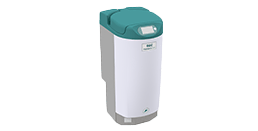
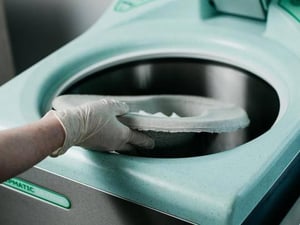
The Pulpmatic Ultima is DDC Dolphin’s highest-capacity medical pulp macerator, designed specifically to eliminate queues in busy acute environments.
The Operational Metrics:
- Throughput: pulverises 4 to 6 pulp items in a single cycle.
- Speed: rapid 120-second turnaround to eliminate waiting times.
- Technology: advanced 9-blade maceration system prevents pipe blockages.
- Infection Control: completely hands-free operation with optical sensors and antimicrobial lid protection.
- Maintenance: programmable automatic drain flushing stops stagnant water and scale build-up.
Stop Guessing Your Capacity Limits
The strongest macerator specification is not simply the largest machine or the cheapest initial invoice; it is the machine that perfectly matches your exact clinical reality.
Before your next capital replacement project, you must benchmark your peak demand, cycle frequency, and frontline workflow.
Do not wait for a breakdown to expose your infrastructure limits.
Review the Pulpmatic Ultima technical specifications and compare its capacity against your peak ward demand today.
Frequently Asked Questions (FAQ)
1. What is a medical pulp macerator?
A medical pulp macerator is a piece of infection control equipment that pulverises single-use cardboard pulp products and human waste into fine particles, discharging them safely into the hospital drainage system.
2. How many items can the Pulpmatic Ultima process?
Designed for acute wards, the Pulpmatic Ultima can process between 4 and 6 approved pulp items per cycle.
3. How long is the Pulpmatic Ultima cycle?
The machine completes a full 6-item disposal cycle in approximately 120 seconds, allowing for rapid clinical turnaround.
4. Is a larger macerator always the better choice?
No. Capacity must reflect actual clinical demand. An oversized machine wastes capital and resources in a low-footfall care home, while an undersized machine will quickly fail in a busy hospital ward.
5. When should a trust review its macerator capacity?
Capacity must be reviewed when ward bed numbers increase, clinical usage changes, staff report regular disposal queues, or when legacy equipment is scheduled for tender replacement.