

About Us

Global Infection Control: Validated Sluice Room Infrastructure from Japan to Singapore
Cross-contamination does not respect international borders. Whether you are managing an acute hospital in central London or a high-dependency care facility in Tokyo, the operational bottlenecks are identical.
When clinical waste is not processed immediately your wards become dangerous and your capital budget drains into reactive maintenance.
For Estates Directors and Procurement Leads, evaluating capital equipment requires hard, validated data. Relying on isolated, local assumptions is a quantitative liability. To build a robust procurement framework, you must look at the exact engineering standards adopted by the highest-performing healthcare facilities in the world.
DDC engineers infection control solutions that protect clinical pathways across four continents. Here is the operational data from four international facilities that successfully eradicated their sluice room bottlenecks.
The International Blueprints for Clinical Safety
When the most technologically advanced healthcare systems in the world specify their dirty utility rooms, they demand seamless workflows, extreme reliability, and strict whole-life cost metrics.
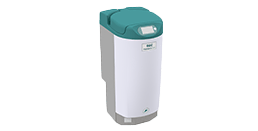
1. The High-Density Acute Ward (Juntendo University Nerima Hospital, Japan) Japanese healthcare mandates extreme spatial efficiency and flawless reliability. Juntendo University required infrastructure that could handle relentless acute ward footfall without occupying massive spatial footprints. By integrating our advanced bedpan washer disinfectors, they eliminated clinical queues, automated their thermal disinfection cycles, and drastically reduced the physical space required for waste processing.
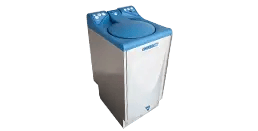
2. The Premium Clinical Environment (Farrer Park Hospital, Singapore) Farrer Park is a pinnacle of modern healthcare engineering. Their Infection Control Leads demanded machinery that matched their zero-tolerance policy for cross-contamination. By specifying DDC equipment, they secured entirely hands-free operation and antimicrobial surface protection, ensuring their sluice rooms remained as sterile and advanced as their operating theatres.
3. The High-Volume Care Facility (Stella Maris Aged Care, Australia) Aged care environments face unique, high-volume waste challenges. Stella Maris required a robust solution to protect their vulnerable residents from outbreaks while keeping running costs low. Upgrading their sluice rooms allowed their nursing staff to redirect hundreds of hours per month away from waste management and back to direct resident care.
4. The Extreme Durability Requirement (St John's Care Facility, Canada) Logistics and maintenance in Canadian healthcare require equipment that simply does not break. St John's Care Facility could not afford machinery that required constant engineer callouts. They specified our high-capacity macerators to guarantee a free-flowing output of waste, completely eliminating pipe blockages and protecting their long-term operational budget.
Stop Leaking Your Operational Budget
True sustainability and compliance require a validated reduction in utility use and equipment downtime. Strategy only works when it is built on quantitative numbers. Buying cheap equipment on day one guarantees expensive ward shutdowns on day two.
Your infrastructure is only as secure as the data you use to specify it. Look at the global metrics, upgrade your frameworks, and protect your operational budget.