


About Us
Medical pulp is used every day in hospitals, care homes and healthcare settings to safely manage patient waste. But what exactly is medical pulp, where does it come from, and what happens to it after use?
With sustainability and waste management becoming increasingly important across healthcare, understanding the full lifecycle of medical pulp can help teams make informed decisions about waste management.
What is medical pulp?
Medical pulp is a moulded fibre material used to manufacture single-use healthcare products such as bedpans, urinals, bowls and kidney dishes.
Unlike reusable plastic or stainless-steel receptacles, medical pulp products are designed for single use. Suitable products can be disposed of through a medical pulp macerator after use, reducing the need for the product itself to be emptied, washed and reused.
What is medical pulp made from?
Medical pulp is manufactured using recycled paper-based materials, including paper and cardboard. These materials are processed into pulp and moulded into products designed for use within healthcare environments.
This gives medical pulp a lifecycle that begins before it reaches the hospital or care home.
.jpg?width=1200&height=630&name=The%20Lifecycle%20of%20medical%20pulp%20products%20(5).jpg)
The lifecycle of medical pulp
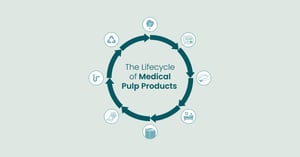
The visual above shows the complete journey of medical pulp, from the original tree and recycled paper products through to healthcare use, maceration and wastewater treatment.
What are medical pulp products used for?
Medical pulp products are commonly used for containing human waste in healthcare settings.
Products can include:
- Bedpans
- Urinals
- Bowls
- Kidney dishes
- Wash Bowls
Once used, suitable products can be placed directly into a compatible macerator along with their appropriate contents.
How is medical pulp disposed of?
A medical pulp macerator uses water and mechanical action to break suitable pulp products down into small particles. The resulting material is discharged into the wastewater system, where it continues through the wastewater treatment process.
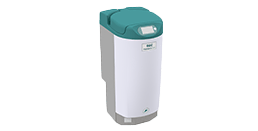
The way wastewater leaves the macerator can also play an important role in drainage performance. The Pulpmatic® Flex avoids sudden discharge by using a continuous open-flow process. Wastewater moves steadily through the system rather than being forced out all at once. This gentler flow helps avoid blockages and supports a healthier drainage network.
Only products approved for maceration should be placed into the machine. Incorrect items can cause blockages, damage equipment or affect the maceration cycle.
This makes correct staff training and clear disposal procedures an important part of effective sluice room management.
Why use medical pulp with a macerator?
The combination of single-use pulp products and maceration can offer several practical benefits:
- Reduced handling: Used products do not need to be manually emptied and sent for washing.
- Infection prevention: Less handling of contaminated reusable receptacles can help reduce opportunities for cross-contamination.
- Simplified disposal: Suitable pulp products can move directly from use to maceration.
- Single-use convenience: Products are disposed of after use rather than requiring cleaning and disinfection for reuse.
Is medical pulp sustainable?
Whether a product is sustainable cannot be determined simply by whether it is single-use or reusable. Its entire lifecycle needs to be considered.
For medical pulp, this means considering the materials used to manufacture the product, how it is transported and used, the handling required, the equipment needed for disposal, and what happens after maceration.
Using recycled paper-based materials means the lifecycle of medical pulp begins with materials that have already been through a recycling process, before being transformed into healthcare products.
What happens after maceration?
Once suitable medical pulp has been processed, the resulting material enters the wastewater system. Wastewater is transported to a treatment facility, where it undergoes further treatment.
The medical pulp lifecycle therefore extends beyond the sluice room. It connects the use of healthcare products with the wider processes of waste disposal and wastewater treatment.
From paper to pulp and back into the wider cycle
Medical pulp has a lifecycle that goes far beyond the product sitting on a ward.
It starts with recycled paper-based materials, becomes a healthcare product, is used for patient care and can then be processed through a suitable macerator before entering the wastewater system.
Understanding this journey can help healthcare teams consider infection prevention, staff handling, waste management and sustainability together when reviewing their sluice room processes.
Want to learn more about medical pulp maceration?
Explore our range of medical pulp macerators and find out how the right equipment can support safer, more efficient sluice room waste disposal.